Virtual Meeting Etiquette: 10 Essential Tips for Success
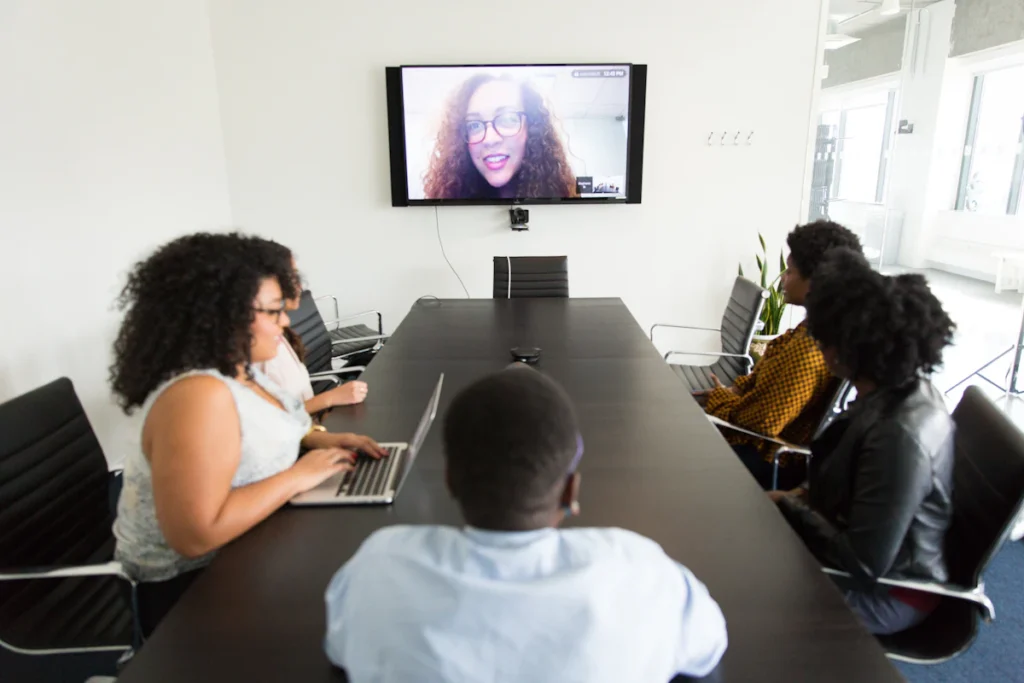
Virtual Meeting Etiquette
As of 2026, 85% of businesses report using virtual meetings as a primary means of communication, with 60% of employees attending virtual meetings at least once a week. However, many individuals struggle with virtual meeting etiquette, leading to decreased productivity and ineffective communication. The primary pain point for many readers is the lack of structure and guidelines for virtual meetings, resulting in confusion and frustration. By the end of this article, readers will learn the essential rules and best practices for virtual meeting etiquette, enabling them to conduct successful and efficient virtual meetings. Furthermore, with the rise of remote work in 2026, mastering virtual meeting etiquette is more crucial than ever, as it can make or break the success of a team. As a result, it is essential to understand the dos and don’ts of virtual meetings to stay ahead in the game.
Understanding Virtual Meeting Etiquette
Virtual meeting etiquette refers to the set of rules and guidelines that govern behavior during virtual meetings. It encompasses various aspects, including preparation, communication, and technical considerations. Effective virtual meeting etiquette is critical to ensuring that all participants feel included, heard, and respected. However, poor virtual meeting etiquette can lead to misunderstandings, conflicts, and decreased productivity. As a result, it is essential to establish clear expectations and guidelines for virtual meetings. Pro Tip: Establish a clear agenda and distribute it to all participants before the meeting to ensure everyone is on the same page.
A key aspect of virtual meeting etiquette is technical preparation. This includes ensuring that all necessary equipment, such as headphones, microphones, and cameras, are functioning properly. Additionally, participants should have a stable internet connection and a quiet, distraction-free workspace. Key Takeaway: Technical preparation is critical to ensuring a smooth and uninterrupted virtual meeting.
Best Practices for Virtual Meeting Etiquette
One of the most critical best practices for virtual meeting etiquette is active listening. This involves paying close attention to what other participants are saying, both verbally and non-verbally. Active listening helps to build trust, resolve conflicts, and ensure that all participants feel heard. Another essential best practice is clear communication, which involves articulating thoughts and ideas clearly and concisely. Pro Tip: Use video conferencing tools, such as Zoom or Google Meet, to facilitate face-to-face communication and non-verbal cues.
A comparison of popular video conferencing tools is provided below:
| Tool | Features | Pricing |
|---|---|---|
| Zoom | Screen sharing, recording, and virtual whiteboard | $14.99/month |
| Google Meet | Screen sharing, recording, and integration with Google Calendar | Free |
| Skype | Screen sharing, recording, and virtual whiteboard | $2.99/month |
Key Takeaway: Choosing the right video conferencing tool is essential to facilitating effective virtual meetings.
Common Mistakes to Avoid in Virtual Meetings
One of the most common mistakes to avoid in virtual meetings is technical issues. This can include poor internet connectivity, faulty equipment, or insufficient technical support. Another mistake to avoid is lack of preparation, which can include failing to distribute agendas, not having necessary materials, or not establishing clear expectations. Pro Tip: Conduct a technical check before the meeting to ensure that all equipment is functioning properly and that participants have a stable internet connection.
A case study of a successful virtual meeting is provided below:
A team of marketing professionals at HubSpot conducted a virtual meeting to discuss a new campaign. Before the meeting, they distributed a clear agenda and established expectations for participation. During the meeting, they used video conferencing tools to facilitate face-to-face communication and non-verbal cues. As a result, the meeting was productive, and the team was able to make key decisions and assign tasks. Key Takeaway: Preparation and clear communication are critical to ensuring a successful virtual meeting.
Advanced Virtual Meeting Etiquette Strategies
One advanced strategy for virtual meeting etiquette is facilitating engagement. This involves encouraging participants to contribute to the discussion, asking open-ended questions, and using interactive tools, such as polls and quizzes. Another strategy is managing conflict, which involves addressing disagreements and conflicts in a constructive and respectful manner. Pro Tip: Use virtual whiteboard tools, such as Mural or Google Jamboard, to facilitate collaboration and idea generation.
A comparison of popular virtual whiteboard tools is provided below:
| Tool | Features | Pricing |
|---|---|---|
| Mural | Collaborative workspace, templates, and integration with popular tools | $12/month |
| Google Jamboard | Collaborative workspace, templates, and integration with Google Drive | Free |
| Microsoft Whiteboard | Collaborative workspace, templates, and integration with Microsoft Teams | $5/month |
Key Takeaway: Choosing the right virtual whiteboard tool is essential to facilitating collaboration and idea generation.
People Also Ask
Q: What are the most common virtual meeting etiquette mistakes?
A: The most common virtual meeting etiquette mistakes include technical issues, lack of preparation, and poor communication. To avoid these mistakes, it is essential to establish clear expectations, distribute agendas, and conduct technical checks before the meeting. Furthermore, using video conferencing tools and virtual whiteboard tools can help facilitate effective communication and collaboration.
Q: How can I ensure that all participants feel included in a virtual meeting?
A: To ensure that all participants feel included in a virtual meeting, it is essential to establish clear expectations, encourage participation, and use interactive tools, such as polls and quizzes. Additionally, using video conferencing tools can help facilitate face-to-face communication and non-verbal cues. As a result, participants will feel more engaged and included in the discussion.
Q: What are the benefits of using video conferencing tools in virtual meetings?
A: The benefits of using video conferencing tools in virtual meetings include facilitating face-to-face communication, non-verbal cues, and interactive collaboration. Video conferencing tools can also help to build trust, resolve conflicts, and ensure that all participants feel heard. Furthermore, using video conferencing tools can help to reduce the sense of distance and isolation that can come with virtual meetings.
Q: How can I facilitate engagement in a virtual meeting?
A: To facilitate engagement in a virtual meeting, it is essential to encourage participation, ask open-ended questions, and use interactive tools, such as polls and quizzes. Additionally, using virtual whiteboard tools can help facilitate collaboration and idea generation. As a result, participants will feel more engaged and motivated to contribute to the discussion.
Q: What are the best practices for managing conflict in a virtual meeting?
A: The best practices for managing conflict in a virtual meeting include addressing disagreements and conflicts in a constructive and respectful manner, using active listening skills, and encouraging open communication. Additionally, using video conferencing tools can help facilitate face-to-face communication and non-verbal cues, which can help to resolve conflicts and build trust.
FAQ
Q: What is virtual meeting etiquette?
A: Virtual meeting etiquette refers to the set of rules and guidelines that govern behavior during virtual meetings. It encompasses various aspects, including preparation, communication, and technical considerations.
Q: Why is virtual meeting etiquette important?
A: Virtual meeting etiquette is important because it helps to ensure that all participants feel included, heard, and respected. It also helps to build trust, resolve conflicts, and ensure that virtual meetings are productive and efficient.
Q: How can I improve my virtual meeting etiquette skills?
A: To improve your virtual meeting etiquette skills, it is essential to establish clear expectations, distribute agendas, and conduct technical checks before the meeting. Additionally, using video conferencing tools and virtual whiteboard tools can help facilitate effective communication and collaboration.
Q: What are the most common virtual meeting etiquette mistakes?
A: The most common virtual meeting etiquette mistakes include technical issues, lack of preparation, and poor communication. To avoid these mistakes, it is essential to establish clear expectations, distribute agendas, and conduct technical checks before the meeting.
Q: How can I ensure that all participants feel included in a virtual meeting?
A: To ensure that all participants feel included in a virtual meeting, it is essential to establish clear expectations, encourage participation, and use interactive tools, such as polls and quizzes. Additionally, using video conferencing tools can help facilitate face-to-face communication and non-verbal cues.
Q: What are the benefits of using video conferencing tools in virtual meetings?
A: The benefits of using video conferencing tools in virtual meetings include facilitating face-to-face communication, non-verbal cues, and interactive collaboration. Video conferencing tools can also help to build trust, resolve conflicts, and ensure that all participants feel heard.
Related: Glamping Economy Explained Everything You Need to Know
Related: Rambunctious NYT Crossword Clue Explained in 2026
Related: Trastel Platform Explained Everything You Need to Know
Conclusion
In conclusion, virtual meeting etiquette is critical to ensuring that virtual meetings are productive, efficient, and effective. By establishing clear expectations, distributing agendas, and conducting technical checks before the meeting, participants can help ensure a successful virtual meeting. The key takeaways from this article include:
- Establishing clear expectations and guidelines for virtual meetings
- Using video conferencing tools to facilitate face-to-face communication and non-verbal cues
- Encouraging participation and using interactive tools to facilitate engagement
- Using virtual whiteboard tools to facilitate collaboration and idea generation
- Managing conflict in a constructive and respectful manner
By following these best practices and guidelines, individuals can master virtual meeting etiquette and ensure that their virtual meetings are successful and productive. As a result, it is essential to take immediate action and start implementing these strategies in your next virtual meeting. Start by establishing clear expectations, distributing agendas, and conducting technical checks before the meeting. With practice and experience, you will become a master of virtual meeting etiquette and be able to facilitate effective and efficient virtual meetings.