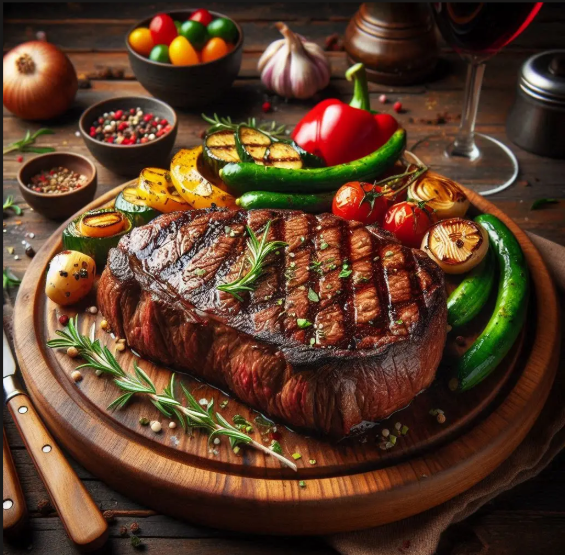

Introduction
Chuck eye steak is the budget-friendly steak that’s stealing the spotlight in kitchens everywhere, offering ribeye-like flavor at a fraction of the cost. If you’re tired of shelling out premium prices for a juicy cut but still want that melt-in-your-mouth tenderness, this article is your ultimate guide. We’ll dive deep into what makes chuck eye steak a standout among affordable steak cuts, compare it head-on with the classic ribeye, and share practical, step-by-step ways to master how to cook chuck eye steak—whether you’re firing up the grill for chuck eye grilling or opting for a quick pan seared chuck eye. From the best seasoning for chuck eye to marinated chuck eye steak ideas and even oven baked chuck eye steak methods, you’ll find chuck eye steak recipes that turn this steak cut from chuck into your new go-to. Plus, we’ll cover chuck eye steak temperature essentials, reverse sear chuck eye techniques, and tips for achieving a tender chuck steak every time. By the end, you’ll be equipped to grill up a juicy chuck eye steak that rivals any steakhouse, all while keeping things wallet-friendly.
What Is Chuck Eye Steak?
Tucked away in the shoulder area of the cow, chuck eye steak emerges as a hidden gem among beef cuts. This steak cut from chuck hails from the chuck primal, specifically the extension of the ribeye muscle just beyond the ribs—think of it as the ribeye’s frugal cousin. Often labeled as beef chuck eye steak, it’s harvested from the 5th rib, where the longissimus dorsi muscle (the same one that forms the ribeye) continues into the chuck roll. What sets it apart? Generous marbling that promises bold, beefy flavor without the chewiness of other chuck cuts like the chuck eye roast, which is better suited for slow braising.
At around $8 to $12 per pound, chuck eye steak shines as one of the most affordable steak cuts on the market, making it a prime pick for home cooks seeking value without sacrificing taste. Unlike tougher chuck steaks that demand hours of simmering, this tender chuck steak can stand up to high-heat cooking, delivering a juicy chuck eye steak with minimal effort. It’s versatile too—slice it thin for stir-fries, cube it for kebabs, or keep it whole for a showstopping main. Butcher shops and online meat deliverers like Porter Road or Crowd Cow often stock it fresh or dry-aged for extra tenderness. If you’ve ever wondered why it’s called the “poor man’s ribeye,” it’s because this ribeye alternative steak mirrors the marbling and richness of its pricier neighbor, but at half the cost.
In essence, chuck eye steak bridges the gap between everyday eats and steakhouse indulgence. Its natural intramuscular fat melts during cooking, basting the meat from within for that signature succulence. Whether you’re a grilling novice or a seasoned pitmaster, understanding this cut unlocks endless possibilities for weeknight dinners or weekend barbecues.
Chuck Eye Steak vs Ribeye: Why the Budget King Wins
When pitting chuck eye steak vs ribeye, it’s like comparing a sports car to a reliable sedan—both get you there with style, but one won’t break the bank. The ribeye, sourced from the rib primal (ribs 6-12), boasts superior tenderness thanks to its location in a less-worked muscle area, resulting in that buttery, melt-away texture. It often includes the flavorful spinalis dorsi cap, adding an extra layer of richness that chuck eye lacks.
On the flip side, chuck eye steak pulls from the chuck’s upper shoulder, inheriting the same eye muscle but with slightly more connective tissue, which can make it a tad chewier if overcooked. However, its beefier, more robust flavor profile—thanks to the shoulder’s active use—gives it an edge in taste tests for those who prefer bold savoriness over subtle melt. Marbling-wise, both are well-speckled, but ribeye edges out with finer fat distribution.
Price is the knockout punch: A ribeye might run $20+ per pound, while chuck eye steak hovers at $10 or less, cementing its status as a budget-friendly steak. For cooking, both thrive on high heat, but chuck eye forgives minor doneness errors better due to its density.
To break it down visually, here’s a quick comparison table:
| Feature | Chuck Eye Steak | Ribeye Steak |
|---|---|---|
| Location | Chuck primal (shoulder, 5th rib) | Rib primal (ribs 6-12) |
| Tenderness | Tender with proper cooking | Exceptionally tender |
| Flavor | Bold, beefy | Buttery, rich |
| Marbling | Good, intramuscular fat | Excellent, with cap fat |
| Price per lb | $8–$12 | $18–$25+ |
| Best For | Grilling, pan-searing on a budget | Steakhouse splurges |
In short, if you’re after a ribeye alternative steak that delivers 90% of the experience for 50% of the cost, chuck eye steak is your winner. It’s not just economical—it’s a smart swap that elevates affordable steak cuts to star status.
How to Cook Chuck Eye Steak: Mastering the Basics
Unlocking the full potential of chuck eye steak starts with knowing how to cook chuck eye steak right. This cut shines with quick, high-heat methods that render its fat and preserve juiciness. Aim for an internal chuck eye steak temperature of 125°F for rare, 130–135°F for medium-rare (the sweet spot for tenderness), and no higher than 140°F to avoid toughness. Always let it rest 5–10 minutes post-cook to redistribute juices.
Pat dry, season generously, and use a meat thermometer—precision is key for a tender chuck steak. Below, we’ll explore top techniques, from chuck eye grilling to more indoor options.
Chuck Eye Grilling: Fire Up the Flavor
Chuck eye grilling is a summer staple that highlights this steak’s smoky potential. Fire at 450–500°F for that perfect char.
Step-by-Step Guide:
- Prep: Season with salt and pepper 30 minutes ahead (or overnight for dry brine).
- Grill Setup: Preheat to high, oil grates.
- Sear: 3–4 minutes per side for 1-inch thick steaks.
- Check Temp: Pull at 5°F below target; rest.
- Pro Tip: For extra smokiness, add wood chips—hickory pairs beautifully with the beefy notes.
Result? A juicy chuck eye steak with crisscross marks that screams backyard bliss. It’s forgiving for beginners, too—flip once and resist peeking.
Pan Seared Chuck Eye: Indoor Sizzle Simplified
No grill? Pan seared chuck eye delivers steakhouse results in your cast-iron skillet. This method bastes in its own juices for unparalleled moisture.
Easy Steps:
- Heat skillet over medium-high with a high-smoke oil (avocado works).
- Add steak; sear 3–4 minutes per side until crust forms.
- Baste with butter, garlic, and herbs in the last minute.
- Rest and slice against the grain.
For a tender chuck steak, avoid overcrowding—cook one at a time. This yields a caramelized exterior and pink, juicy center every time.
Reverse Sear Chuck Eye: Pro-Level Precision
Reverse sear chuck eye is the gold standard for even doneness, starting low and slow in the oven before a hot sear. Ideal for thicker cuts (1.5+ inches).
How-To:
- Oven Phase: 250°F until 10°F below target (about 20–30 minutes).
- Sear Phase: Crank skillet to screaming hot; 1–2 minutes per side.
- Rest: 5 minutes minimum.
This technique minimizes overcooking, ensuring a uniformly juicy chuck eye steak. It’s a game-changer for dinner parties—impress without stress.
Oven Baked Chuck Eye Steak: Hassle-Free Comfort
Oven baked chuck eye steak offers a set-it-and-forget-it vibe, perfect for busy nights. Combine with a broil for crust.
Quick Recipe:
- Preheat to 400°F.
- Sear in skillet first (2 minutes/side), then transfer to oven for 5–7 minutes.
- Broil 1–2 minutes for color.
Season boldly, and you’ll have a tender, hands-off meal. Pair with veggies for a complete sheet-pan dinner.
Best Seasoning for Chuck Eye: Elevate the Everyday
The best seasoning for chuck eye steak keeps it simple to let the meat shine, but a few tweaks add magic. Start with kosher salt and cracked black pepper—1 tsp salt per pound draws out moisture for better browning. For depth, try garlic powder, smoked paprika, or onion powder.
Flavor Boosters (Bullet List):
- Herb Rub: Rosemary, thyme, and olive oil for Mediterranean vibes.
- Spicy Kick: Cayenne and cumin for Southwest flair.
- Asian Twist: Soy sauce, ginger, and sesame oil in a quick marinade.
For marinated chuck eye steak, soak 2–4 hours in balsamic vinegar, Worcestershire, and Dijon—tenderizes while infusing umami. Avoid over-marinating; acidity can toughen the fibers. These combos transform a basic chuck eye into a flavor powerhouse without masking its natural beefiness.
Delicious Chuck Eye Steak Recipes: From Simple to Showstopper
Chuck eye steak recipes are all about versatility—quick enough for Tuesdays, fancy for Saturdays. Here are seven under-$10-per-serving ideas, each serving 2–4.
1. Classic Grilled Chuck Eye with Chimichurri
- Ingredients: 2 chuck eye steaks, salt/pepper, 1 cup parsley, garlic, red wine vinegar.
- Steps: Grill as above; top with blended chimichurri.
- Why It Works: Fresh herbs cut the richness for a juicy, herbaceous bite. (Prep: 10 min; Cook: 10 min)
2. Garlic Butter Pan Seared Chuck Eye
- Ingredients: Steaks, 4 tbsp butter, 3 garlic cloves, thyme.
- Steps: Sear per pan method; baste in last 2 minutes.
- Twist: Slice over mashed potatoes for comfort food gold.
3. Marinated Chuck Eye Steak Skewers
- Ingredients: Cubed chuck eye, bell peppers, onions, teriyaki marinade.
- Steps: Marinate 2 hours; grill 4–5 minutes, turning.
- Budget Hack: Uses affordable veggies to stretch the meat.
4. Reverse Sear Chuck Eye with Blue Cheese
- Ingredients: Steaks, blue cheese crumbles, balsamic glaze.
- Steps: Reverse sear; melt cheese on top post-rest.
- Pairing: Arugula salad for a steakhouse salad vibe.
5. Oven Baked Chuck Eye Tacos
- Ingredients: Steaks, tortillas, lime, cilantro, avocado.
- Steps: Bake per method; slice thin for tacos.
- Fun Fact: Turns steak night into fiesta mode under 30 minutes.
6. Herb-Rubbed Chuck Eye with Roasted Veggies
- Ingredients: Steaks with herb rub, carrots, potatoes.
- Steps: Rub and grill; roast sides alongside.
- Health Boost: Balances indulgence with fiber-rich veggies.
7. Spicy Marinated Chuck Eye Stir-Fry
- Ingredients: Thin-sliced chuck eye, broccoli, soy-ginger sauce.
- Steps: Quick wok sear; toss with veggies.
- Why Budget-Friendly: Stretches one steak to feed four.
These chuck eye steak recipes prove you don’t need fancy tools—just quality meat and technique. Experiment; the cut’s forgiving nature invites creativity.
FAQs
What exactly is a chuck eye steak, and why is it called a ribeye alternative steak? Chuck eye steak is a flavorful cut from the chuck primal, extending the ribeye muscle into the shoulder. It’s dubbed a ribeye alternative steak because it mimics the marbling and taste at a lower price, making it a go-to for budget-friendly steak seekers.
How do I achieve a tender chuck steak when cooking chuck eye? For a tender chuck steak, cook your chuck eye steak to medium-rare (130–135°F) and slice against the grain. Marinating or using a reverse sear chuck eye method helps break down fibers for that melt-in-your-mouth texture.
What’s the best way to grill chuck eye steak for beginners? Chuck eye grilling is straightforward: Season simply, preheat to 450°F, and sear 3–4 minutes per side. Monitor chuck eye steak temperature with a thermometer to nail juicy results every time.
Can I use chuck eye roast in place of chuck eye steak recipes? A chuck eye roast is thicker and suited for slow cooking, but you can slice it thin for chuck eye steak recipes. For best results, opt for dedicated steaks to keep things quick and high-heat.
How long should I marinate chuck eye steak before pan searing? For marinated chuck eye steak, 2–4 hours is ideal before pan seared chuck eye. Longer risks toughness from acid, so stick to fridge time and pat dry before cooking for a perfect crust.
What’s the ideal chuck eye steak temperature for juicy results? Aim for 130°F internal for a juicy chuck eye steak—pull it off heat at 125°F and rest. This keeps it tender without drying out, especially for affordable steak cuts like this one.
Is chuck eye steak a good budget-friendly steak for oven baking? Absolutely! Oven baked chuck eye steak is foolproof and economical. Sear first for flavor, then bake at 400°F for 5–7 minutes—pair with the best seasoning for chuck eye like garlic and herbs.
Conclusion
From its humble origins as a steak cut from chuck to its rise as the ultimate ribeye alternative steak, chuck eye steak proves that great flavor doesn’t require a hefty price tag. We’ve covered the essentials: how chuck eye s teak stacks up against pricier cuts, foolproof ways to cook it—from chuck eye grilling to reverse sear chuck eye—and a lineup of chuck eye s teak recipes that deliver tender, juicy chuck eye steak every time. Whether you’re experimenting with the best seasoning for chuck eye or whipping up a marinated chuck eye s teak, this affordable steak cut invites you to elevate your meals without the guilt.
Ready to fire up your kitchen? Grab a couple of chuck eye s teaks from your local butcher, try one of these recipes tonight, and taste the difference. What’s your favorite way to enjoy this budget-friendly steak? Share in the comments below—we’d love to hear your twists!



Pingback: Birria Ramen: 5 Irresistible Recipes to Try Now - TECH HUBS