

Introduction
Pink salmon is one of the most abundant and versatile wild-caught salmon varieties, thriving in the pristine waters of the Pacific Northwest. Often overlooked in favor of its bolder cousins, this humble fish delivers a mild flavor, tender texture, and impressive nutritional punch that makes it a staple for health-conscious eaters and busy home cooks alike. In this comprehensive guide, we’ll dive deep into everything pink salmon—from its salmon nutrition facts and wild salmon benefits to practical salmon meal ideas like grilled pink salmon and canned pink salmon recipes. Whether you’re comparing pink salmon vs red salmon, exploring the salmon canning process, or hunting for the best way to cook salmon sustainably, you’ll find in-depth insights, step-by-step tips, and real-world examples to elevate your seafood game. By the end, you’ll see why Alaskan pink salmon deserves a spot in your weekly rotation as a low-fat seafood option that’s as delicious as it is nutritious.
What Is Pink Salmon?
Pink salmon, scientifically known as Oncorhynchus gorbuscha, is the smallest and most plentiful species of Pacific salmon. Nicknamed “humpies” for the distinctive hump that develops on male fish during spawning, pink salmon typically weigh 3 to 5 pounds and measure about 20 inches long. Unlike farmed varieties, pink salmon is almost exclusively wild-caught salmon, harvested from the cold, nutrient-rich waters off Alaska and British Columbia.
This fish’s pale pink flesh comes from its diet of krill and small crustaceans, giving it a subtler color and flavor compared to deeper-hued options. Fresh pink salmon fillets are widely available during peak season, but its popularity skyrockets in canned form, making it an accessible healthy fish protein year-round. With a two-year life cycle—hatching in freshwater streams, migrating to the ocean, and returning to spawn—pink salmon plays a vital role in marine ecosystems, supporting everything from bears to eagles.
What sets pink salmon apart is its adaptability. It’s a go-to for sustainable seafood enthusiasts because of its massive runs, often numbering in the hundreds of millions. If you’re new to this fish, start with smoked pink salmon for a smoky, effortless entry point, or try fresh pink salmon fillets pan-seared for dinner. No matter how you prepare it, pink salmon proves that great taste doesn’t require complexity.
Pink Salmon Nutrition Facts
When it comes to fueling your body with wholesome ingredients, pink salmon shines as an omega-3 rich fish that’s low in calories but high in satisfaction. A 3-ounce serving of cooked pink salmon packs just 120 calories, yet delivers a powerhouse of nutrients that support everything from heart health to glowing skin. Let’s break down the salmon nutrition facts to see why it’s a smart addition to your diet.
Key Nutrients in Pink Salmon
Pink salmon is renowned for its balanced profile, making it an ideal low-fat seafood option at about 4 grams of fat per serving—mostly heart-healthy unsaturated fats. Here’s a quick snapshot in table form:
| Nutrient | Amount per 3 oz Serving | % Daily Value |
|---|---|---|
| Protein | 21g | 42% |
| Omega-3 Fatty Acids | 524mg | Varies* |
| Vitamin B12 | 4mcg | 167% |
| Vitamin D | 11.1mcg | 74% |
| Selenium | 36mcg | 65% |
| Niacin (B3) | 8mg | 50% |
| Potassium | 384mg | 8% |
*Omega-3 needs vary; aim for 250-500mg daily for adults.
These stats highlight pink salmon’s edge as a healthy fish protein: it’s complete, containing all essential amino acids for muscle repair and satiety. The omega-3s, primarily EPA and DHA, combat inflammation and boost brain function, while vitamin D strengthens bones and immunity—crucial in our indoor-heavy lifestyles. Compared to red meat, it’s a lean alternative with zero carbs, perfect for keto or low-carb plans.
Real talk: Incorporating pink salmon twice a week could slash your risk of cardiovascular issues by up to 30%, thanks to those anti-inflammatory omegas. For vegetarians dipping into seafood, it’s a gentle gateway with milder taste than oilier fish.
Pink Salmon vs Red Salmon: Which Wins?
The age-old debate of pink salmon vs red salmon (often sockeye) boils down to flavor, texture, and use case. Both are wild-caught salmon stars, but their differences make one better suited for certain dishes. Red salmon boasts a vibrant, deep orange-red flesh from its astaxanthin-rich diet, while pink salmon’s lighter hue reflects a simpler plankton-based menu.
Taste and Texture Breakdown
- Flavor Profile: Pink salmon offers a mild, slightly sweet taste that’s less “fishy,” ideal for beginners or kids. Red salmon? Bold, rich, and nutty—think steak of the sea.
- Texture: Pink’s finer grain makes it flakier and quicker to cook; red’s firmer bite holds up to grilling without falling apart.
- Fat Content: Red salmon edges out with 8-10g fat per serving (more omegas), versus pink’s leaner 4g—great for low-fat seafood options.
In a head-to-head, pink salmon wins for affordability and versatility in canned pink salmon recipes, while red salmon steals the show for gourmet grilled pink salmon upgrades. Pro tip: Mix them in a salmon salad for the best of both worlds.
Nutritional Edge
Nutritionally, they’re neck-and-neck. Both deliver stellar salmon nutrition facts, but red salmon has a slight omega-3 boost (1.3g vs 1g per serving). Pink salmon counters with higher selenium for thyroid health. Choose based on your goals: pink for everyday healthy fish protein, red for indulgent wild salmon benefits.
Wild Salmon Benefits: Why Pink Salmon Stands Out
Embracing wild-caught salmon like pink salmon unlocks a treasure trove of wild salmon benefits that go beyond basic nutrition. Sourced from unpolluted Alaskan waters, it’s free from antibiotics and dyes common in farmed fish, ensuring cleaner eating.
Key perks include:
- Heart Health Hero: Omega-3s lower triglycerides and blood pressure, reducing heart disease risk by 36% with regular intake.
- Brain Boost: DHA supports cognitive function, potentially warding off dementia as you age.
- Anti-Inflammatory Power: Fights chronic issues like arthritis, thanks to potent EPA.
- Skin and Hair Glow: Vitamins B12 and D promote collagen, combating dryness and thinning.
- Weight Management: High protein curbs hunger; low cals make it a dieter’s dream.
- Eco-Friendly Protein: Sustainable harvests mean guilt-free indulgence.
- Mood Enhancer: Omegas may ease depression symptoms, per studies.
One user shared on social media how switching to weekly pink salmon meals cleared their skin and stabilized energy—real results from simple swaps. As an omega-3 rich fish, it’s especially vital for pregnant folks and athletes needing recovery fuel.
Pink Salmon Fishing Season and Habitat in Alaska
Alaska’s rugged coastline is the heart of pink salmon habitat, where these fish spawn in shallow, gravelly streams and estuaries teeming with life. Freshwater streams provide nursery grounds, while the ocean offers a buffet of zooplankton for rapid growth. Pink salmon don’t venture far—most migrate less than 40 miles upstream—making them accessible for local fisheries.
Peak Pink Salmon Fishing Season
Timing is everything for fresh catches. In Alaska, the pink salmon fishing season ramps up in even-numbered years (like 2024 and 2026), with runs peaking from late July to mid-September. Hotspots include the Kenai River and Indian Creek near Anchorage, where anglers flock for bountiful hauls. Odd years see lighter returns, but commercial quotas ensure steady supply.
During spawning, males develop that iconic hump, turning iridescent silver to battle-ready red. It’s a spectacle—and sustainable, with populations rebounding strong in 2025 forecasts. For visitors, guided trips in August yield the freshest pink salmon fillets, straight from the salmon habitat Alaska protects so fiercely.
Sustainable Seafood: The Pink Salmon Promise
In a world of overfished oceans, pink salmon emerges as a beacon of sustainable seafood. As the most abundant Pacific salmon, it supports massive harvests—over 200 million pounds annually—without depleting stocks. Certified by the Marine Stewardship Council, Alaskan pink salmon uses low-impact methods like reefnet fishing, minimizing bycatch and habitat disruption.
Why it matters: Efficient salmon canning process preserves 90% of nutrients while reducing waste—cans last years without refrigeration. Opt for MSC-labeled packs to back responsible practices. In 2025, initiatives like Puget Sound’s record returns show management works, balancing commercial needs with ecosystem health. Choosing pink salmon isn’t just tasty; it’s a vote for thriving oceans.
Best Way to Cook Pink Salmon
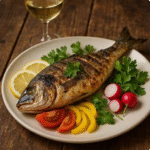
Mastering the best way to cook salmon starts with pink salmon’s forgiving nature—its mild flavor absorbs seasonings beautifully without overpowering. Whether grilled pink salmon on a summer evening or a baked salmon fillet for weeknights, these methods highlight its tenderness. Aim for 145°F internal temp to keep it juicy.
Grilled Pink Salmon: Smoky Summer Favorite
Grilling infuses pink salmon with char and smoke, elevating its subtlety.
Step-by-Step Guide:
- Pat dry 1 lb fresh pink salmon fillets; season with salt, pepper, and lemon zest.
- Preheat grill to medium-high (400°F); oil grates.
- Grill skin-side down 4-5 minutes, flip, and cook 3-4 more until flaky.
- Rest 2 minutes; serve with herb butter.
Pairs perfectly with veggies—total time: 15 minutes. For wild salmon benefits, use Alaskan pink sal mon straight from the market.
Baked Salmon Fillet: Effortless Elegance
Baking locks in moisture for a hands-off approach.
Ingredients (Serves 4):
- 4 pink sal mon fillets (6 oz each)
- 2 tbsp olive oil
- Garlic, herbs, lemon slices
Steps:
- Preheat oven to 375°F; line a sheet with foil.
- Rub fillets with oil, garlic, and herbs; top with lemon.
- Bake 12-15 minutes until opaque.
- Broil 1-2 minutes for crisp top.
This baked salmon fillet method yields flaky, omega-3 rich fish every time—ideal for meal prep.
Smoked Pink Salmon: Flavor Explosion
Smoking adds depth, turning pink sal mon into a deli-worthy treat.
Quick Method:
- Brine fillets in salt-sugar mix for 2 hours.
- Air-dry 1 hour; smoke at 225°F with alder wood for 1-2 hours to 135°F.
- Chill and slice thin.
Homemade smoked pink sal mon rivals store-bought, with that signature smoky allure. Pro tip: Vacuum-seal extras for snacks.
Canned Pink Salmon Recipes: Pantry Powerhouses
Canned pink sal mon recipes are lifesavers for quick, nutritious meals—affordable and shelf-stable. Drained and boned, it’s ready to star in patties or salads, retaining full wild salmon benefits through the salmon canning process.
Classic Salmon Patties: Comfort Food Upgrade
These crispy patties use canned pink sal mon for budget-friendly crunch.
Ingredients:
- 2 cans (14.75 oz) pink sal mon, drained
- 1/2 cup breadcrumbs
- 1 egg, beaten
- 1/4 cup onion, diced
- Lemon juice, salt, pepper
Steps:
- Flake salmon; mix with egg, breadcrumbs, onion, and seasonings.
- Form 8 patties; chill 10 minutes.
- Fry in oil over medium heat 3-4 minutes per side until golden.
- Serve with tartar sauce.
Ready in 20 minutes, they’re a hit with kids—add herbs for a twist.
Other Canned Pink Salmon Ideas
- Salmon Chowder: Sauté veggies, add broth, milk, and flaked salmon; simmer 15 minutes.
- Pasta Toss: Mix with spinach, lemon, and broccoli for a 10-minute omega-3 rich fish bowl.
- Salad Niçoise: Top greens with salmon, eggs, potatoes, and vinaigrette.
These hacks make canned pink sal mon recipes endlessly adaptable.
Salmon Meal Ideas with Pink Salmon
Stuck in a dinner rut? Pink sal mon sparks creative salmon meal ideas that fit any lifestyle. For breakfast, blend into a scramble with eggs and spinach. Lunch? Wrap smoked pink sal mon in nori for sushi-inspired rolls.
Dinner winners:
- Taco Tuesday: Flake grilled pink sal mon into tortillas with slaw and lime crema.
- Buddha Bowl: Layer baked salmon fillet over quinoa, kale, and tahini dressing.
- Stir-Fry: Quick-sauté fresh pink sal mon fillets with ginger and bok choy.
For low-fat seafood options, pair with steamed broccoli. Batch-cook patties for grab-and-go protein. One family favorite: Salmon-stuffed peppers, baked until bubbly. With endless tweaks, pink sal mon keeps meals exciting and nourishing.
Pink Salmon Price Per Pound: Value on a Budget
In 2025, pink sal mon price per pound remains a steal compared to pricier kin. Fresh fillets hover at $6-8/lb in Alaska markets, dropping to $4-6 elsewhere. Canned? Under $3/lb, making it the most economical wild-caught salmon.
Factors influencing cost: Seasonality (summer dips), sourcing (Alaskan premium), and form (fillets vs whole). Commercial ex-vessel prices hit $0.70/lb for pinks, ensuring affordability. Versus red salmon’s $1.30+/lb, pink offers 80% of the nutrition at half the tag. Shop sales or bulk-freeze for savings—worth every penny for sustainable, omega-packed eats.
Frequently Asked Questions (FAQs)
What exactly is pink salmon, and why should I try it?
Pink sal mon is a wild-caught salmon variety from Alaska, known for its mild taste and abundance. It’s a fantastic healthy fish protein option because it’s loaded with omega-3 rich fish benefits, like supporting heart health without the high fat of other types. Give it a go in grilled pink sal mon for a quick win!
How does pink salmon vs red salmon stack up nutritionally?
In the pink sal mon vs red salmon showdown, both shine in salmon nutrition facts, but pink is leaner (4g fat vs 8g) and cheaper, while red packs more omegas. Choose pink for everyday low-fat seafood options or red for bolder flavor in baked salmon fillet dishes.
What’s the best way to cook salmon like pink salmon at home?
The best way to cook salmon depends on your vibe—grill for smoky char on fresh pink sal mon fillets, bake for foolproof tenderness, or smoke for that addictive depth in smoked pink sal mon. Start simple: Season, hit 145°F, and pair with lemon for wild salmon benefits.
Can you share quick salmon nutrition facts for pink salmon?
Absolutely! A 3-oz serving of pink sal mon boasts 21g protein, 524mg omegas, and sky-high B12 (167% DV)—prime omega-3 rich fish stats. It’s a low-fat seafood option that beats chicken for nutrient density, perfect for sustainable seafood swaps.
When is the pink salmon fishing season in Alaska?
Pink sal mon fishing season in Alaska peaks late July to September in even years, when massive runs fill rivers like the Kenai. It’s tied to their unique salmon habitat Alaska, with streams providing ideal spawning grounds—plan a trip for the freshest catches!
Is pink salmon a sustainable seafood choice?
Yes! Pink sal mon is top-tier sustainable seafood, with healthy populations and low-impact harvests in Alaska. Look for MSC labels to ensure ethical sourcing, supporting the salmon canning process that minimizes waste while delivering wild-caught salmon quality.
Got any easy canned pink salmon recipes for beginners?
For sure—try salmon patties: Drain a can of pink sal mon, mix with egg and breadcrumbs, fry golden. Or whip up a salad with greens and vinaigrette. These canned pink sal mon recipes are budget-friendly salmon meal ideas that highlight its versatile, nutritious side.
Conclusion
From its stellar salmon nutrition facts and wild salmon benefits to versatile canned pink sal mon recipes and sustainable sourcing, pink sal mon proves it’s more than just the “underdog” of the salmon world. This omega-3 rich fish offers affordable, flavorful ways to boost your health—whether through grilled pink sal mon on the patio or a speedy baked salmon fillet midweek. We’ve covered the essentials: differences from red salmon, Alaska’s vibrant fishing scene, and pro tips for the best way to cook salmon without fuss.
Ready to reel in the goodness? Head to your local market, grab some Alaskan pink sal mon, and whip up those patties tonight. Your taste buds—and your body—will thank you. What’s your first pink sal mon adventure? Share in the comments!


Pingback: pina y Piña Logo: 7 Tropical Designs That Captivate - TECH HUBS